Single-Cell & Spatial Multi-Omics Solutions 
High-Quality Single-Cell and Spatial Transcriptomics Services
Traditional bulk sequencing approaches analyze genetic information at the population level, where the detected signals represent averaged profiles from multiple cells, resulting in the loss of cellular heterogeneity information. This limitation becomes particularly significant in complex tissues composed of diverse cell populations, making it challenging to uncover biologically meaningful insights. Leveraging the comprehensive 10x Genomics platform portfolio, Sequanta Technologies provides advanced single-cell sequencing solutions that enable profiling of total RNA or specific RNA molecules (such as BCR/TCR sequences) at the single-cell level. These technologies allow researchers to characterize cellular heterogeneity, identify cell differentiation states, and discover potent neutralizing antibodies.
In addition, Sequanta Technologies offers 10x Genomics Visium spatial transcriptomics solutions, including the high-resolution Visium HD platform. Powered by patented spatial barcode technology, these solutions are compatible with both fresh-frozen and FFPE tissue sections, enabling in situ mapping of whole-transcriptome expression while preserving tissue morphology and accurately localizing gene expression within tissue sections. By integrating single-cell sequencing and spatial transcriptomics technologies, researchers can not only resolve molecular characteristics of distinct cell populations but also reconstruct their spatial distribution and cellular interactions within tissue microenvironments. This integrated approach provides comprehensive insights into biological mechanisms by combining molecular profiling with spatial context, supporting advanced clinical and translational research.
Applications 
描述
Project Experience
Project Experience Across Different Applications: 3’/5’ Gene Expression (GEX), TCR/BCR Sequencing, ATAC-seq, CRISPR Screening, and Spatial Transcriptomics.
Sequanta Technologies has extensive experience in single-cell sequencing and optimized sample processing workflows across a broad range of mouse and rat models. Our expertise covers PBMCs, T/B cells, liver (cell isolation and nuclei extraction), spleen, brain (cell isolation and nuclei extraction), lung, small intestine, thyroid, embryonic tissues, hypothalamus, brainstem, adrenal gland, bone tissues (femur/tibia), organoids, subcutaneous tumors, colon cancer, colorectal cancer, bladder cancer, and other complex samples. Our capabilities include processing fresh tissues, cryopreserved tissues, and challenging tissue samples requiring specialized nuclei extraction strategies, covering PDX models and diverse tumor model mice.
For human samples, Sequanta Technologies has accumulated extensive experience in processing PBMCs, T/B cells, bone marrow, and tumor tissues, including lung cancer, esophageal cancer, gastric cancer, liver cancer, colorectal cancer, head and neck squamous cell carcinoma, breast cancer, pancreatic cancer, glioma, osteosarcoma, prostate cancer, oral and maxillofacial tumors, lung cancer PDX samples, pancreatic cancer renal metastases, metastatic lymph nodes, iris, oral mucosa, thyroid, kidney, and other tissues. The workflow covers primary tumors, metastatic lesions, biopsy samples, and surgical specimens, with expertise in optimizing dissociation and nuclei extraction protocols for low-viability, highly fibrotic, and other challenging tissues.
Experience in Single-Cell Transcriptomics Projects – Clinical trial
DiseaseSample Type
AsthmaBronchial brush and biopsy

Non-cystic fibrosis bronchiectasis, NCFBE

BAL

Chronic obstructive pulmonary disease, COPD

BALF, bronchial brush and biops

Thyroid disease

PBMC

Non-Small Cell Lung Cancer, NSCLC 

PBMC

Non-hodgkin lymphoma, NHL

PBMC

Multiple myeloma

PBMC
ThalassemiaPBMC
Colorectal cancer

Tumor tissue

Solid tumor (tumor vaccine)

PBMC

Solid tumor (PD-1/PD-L1)

PBMC

Solid tumor (TIL)

PBMC


Experience in Spatial Multi-Omics Projects – Clinical Trials
DiseaseSample type

Assay

Diabetes

Kidney biopsy FFPE paraffin block10x Genomics Visium 
Breast cancerTumor tissue FFPE paraffin block10x Genomics Visium
Head and neck squamous cell carcinomaTumor tissue FFPE paraffin block10x Genomics Visium 

Lung squamous cell carcinoma

Tumor tissue FFPE paraffin block10x Genomics Visium HD
Colorectal cancerTumor tissue FFPE paraffin block10x Genomics Visium HD
Thyroid cancerTumor tissue FFPE paraffin block10x Genomics Visium HD
Mouse colorectal cancer modelTumor tissue FFPE paraffin block10x Genomics Visium HD

Gastric carcinoma

Tumor tissue FFPE paraffin block10x Genomics Visium HD


Single-Cell & Spatial Omics Platforms
  • 10x Genomics Chromium X
  • MGI DNBelab C4
  • Illumina PIPseq
  • 10x Genomics Visium HD
Applications of Single-Cell Transcriptomics Sequencing
Identification of Novel Cell Subsets and Functional Characterization in the Tumor Microenvironment
The emergence of tumor immunotherapy has significantly improved clinical outcomes for cancer patients. However, in clinical practice, not all patients respond effectively to immunotherapy due to the high heterogeneity of the tumor microenvironment. Therefore, comprehensive characterization of the tumor microenvironment is critical for improving immunotherapy efficacy.
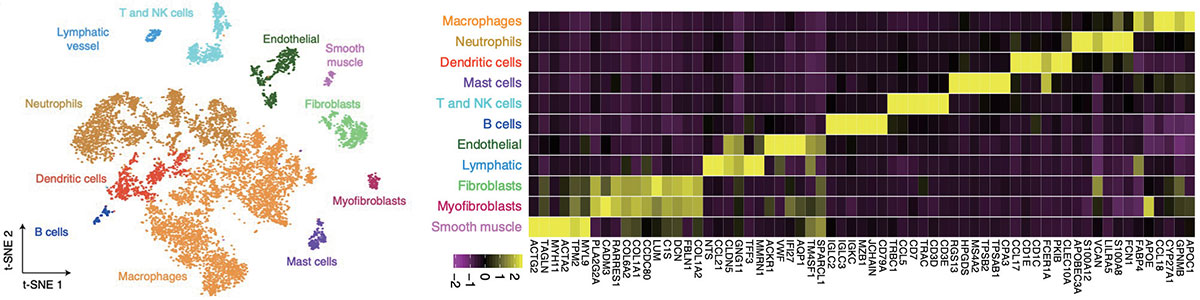
scRNA-seq enables unbiased identification and clustering of cell subsets based on gene expression profiles from individual cells. By integrating bioinformatics analysis, reference databases, and marker gene signatures, scRNA-seq can decipher the cellular composition of the tumor microenvironment and reveal the functional states of different cell populations.
描述
Figure 1. Single-cell clustering analysis. t-SNE visualization of cell clusters (left) and marker gene heatmap of each cell cluster (right).
Reconstruct Cell Developmental Trajectories and Identify Key Genes Driving Differentiation
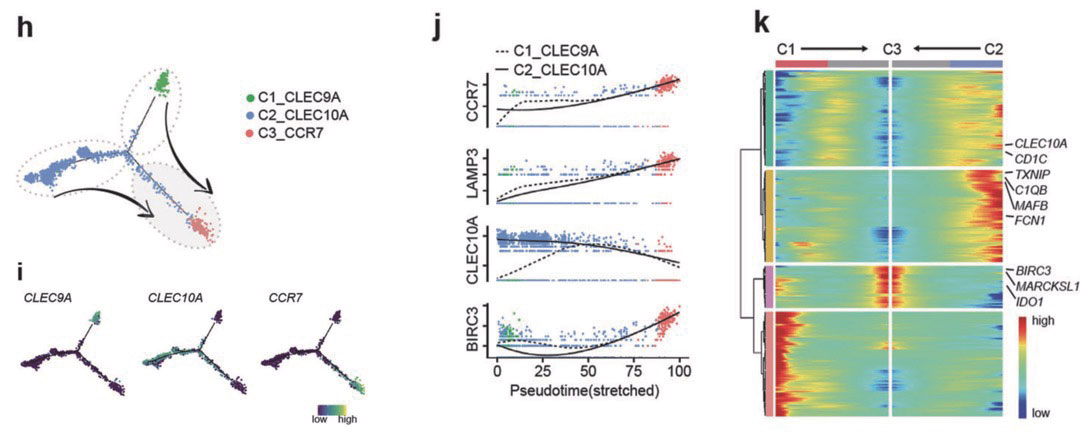
In response to various stresses, cells within biological systems can transition between different functional states. scRNA-seq-based cell trajectory analysis, including pseudotime analysis and RNA velocity analysis, can reconstruct cellular state transitions within the tumor microenvironment, reveal developmental trajectories, characterize dynamic changes in tumor immune cell states, and identify key differentiation-associated cell populations and genes.
描述
inference of cellular evolution
Characterizing Cell–Cell Communication Networks and Identifying Potential Therapeutic Targets
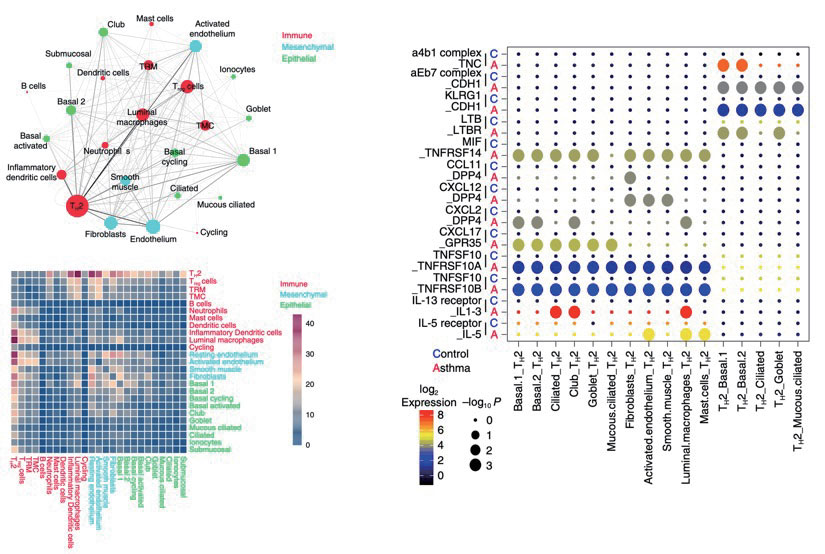
Receptor–ligand-mediated communication between cells plays a critical role in regulating diverse biological processes, including development, differentiation, and disease progression. scRNA-seq-based cell–cell communication analysis reveals cellular interactions by analyzing receptor and ligand expression patterns across different cell populations. This approach enables in-depth characterization of the tumor immune microenvironment and identification of potential therapeutic targets for disease treatment.
描述
Cell subgroup communication network
Characterize Immune Cell Composition and Identify Specific Antibodies
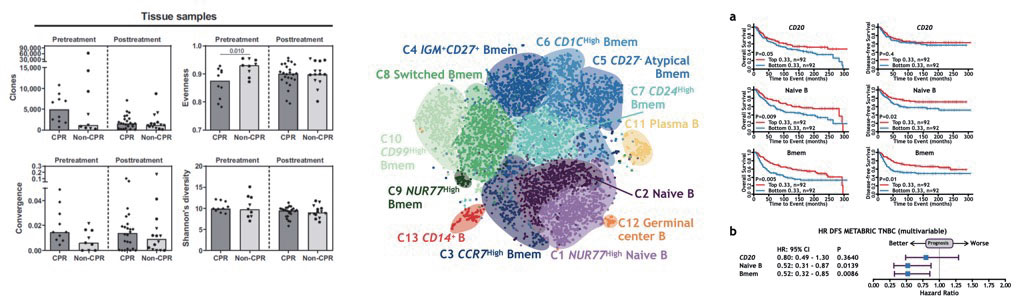
Single-cell immune profiling enables comprehensive characterization of immune cell diversity and the immune microenvironment, supporting therapeutic strategy development and prediction of immunotherapy responses. As an important tool for studying immune responses, single-cell immune repertoire technology can also be applied to vaccine development and immune-related research.
描述
Single-Cell Immune Profiling and B-Cell Marker-Based Survival Analysis
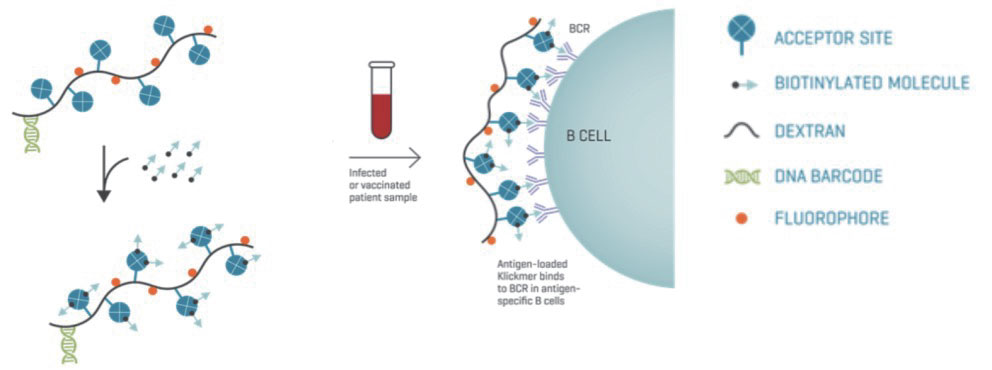
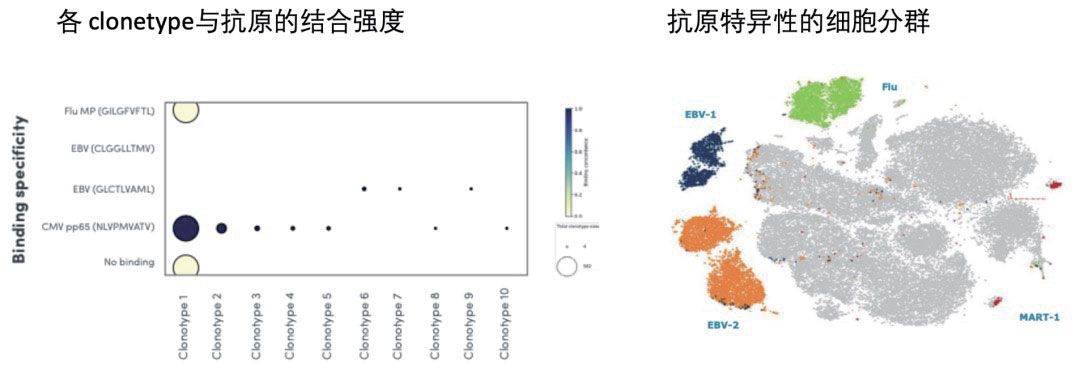
Antigen-specific probes are conjugated with corresponding barcode sequences through biotin-mediated labeling. By integrating V(D)J sequencing data with feature barcode information, the relationship between BCR sequences and their corresponding target antigens can be identified, enabling high-precision antibody discovery and screening.
描述
描述
描述
Binding affinity of each clonotype to the antigen
Antigen-specific cell clustering
Single-Cell Antibody Screening Flowchart
Identify Cell Types and Characterize Cell–Cell Interactions
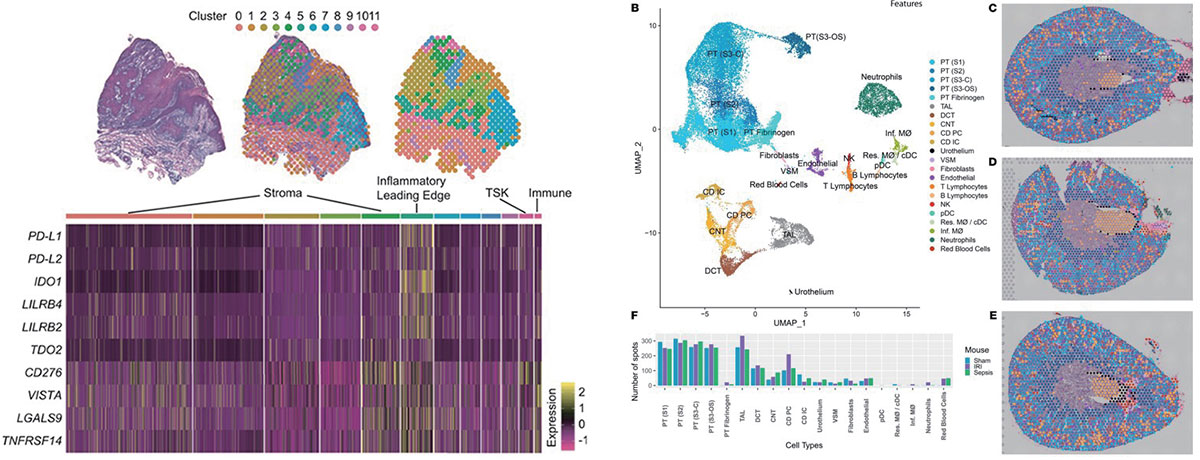
Spatial transcriptomics technology provides both spatial localization information and cellular gene expression profiles within tissues. By integrating spatial barcoding technology with single-cell sequencing approaches, this technology enables accurate cell type annotation and characterization of cell–cell interactions while preserving the spatial context of tissues
描述
Spatial Transcriptomics Mapping
Applications of Single-Cell DNA Sequencing
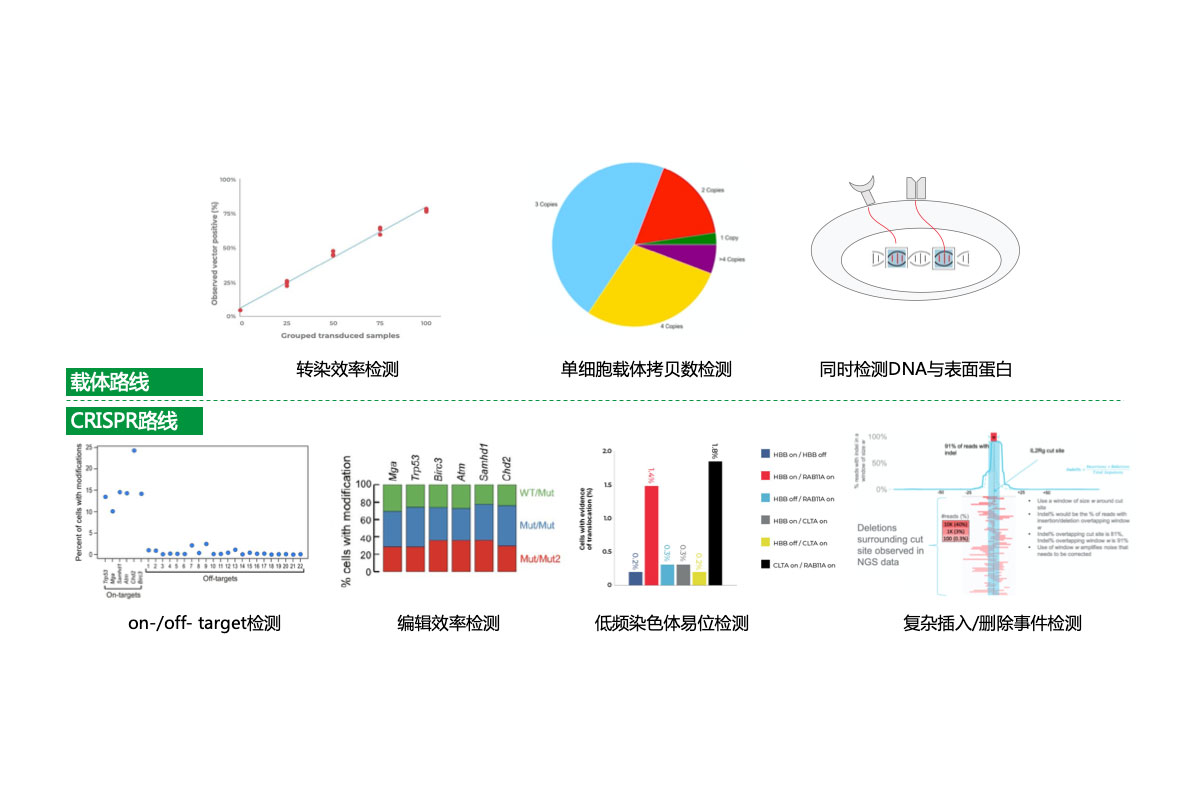
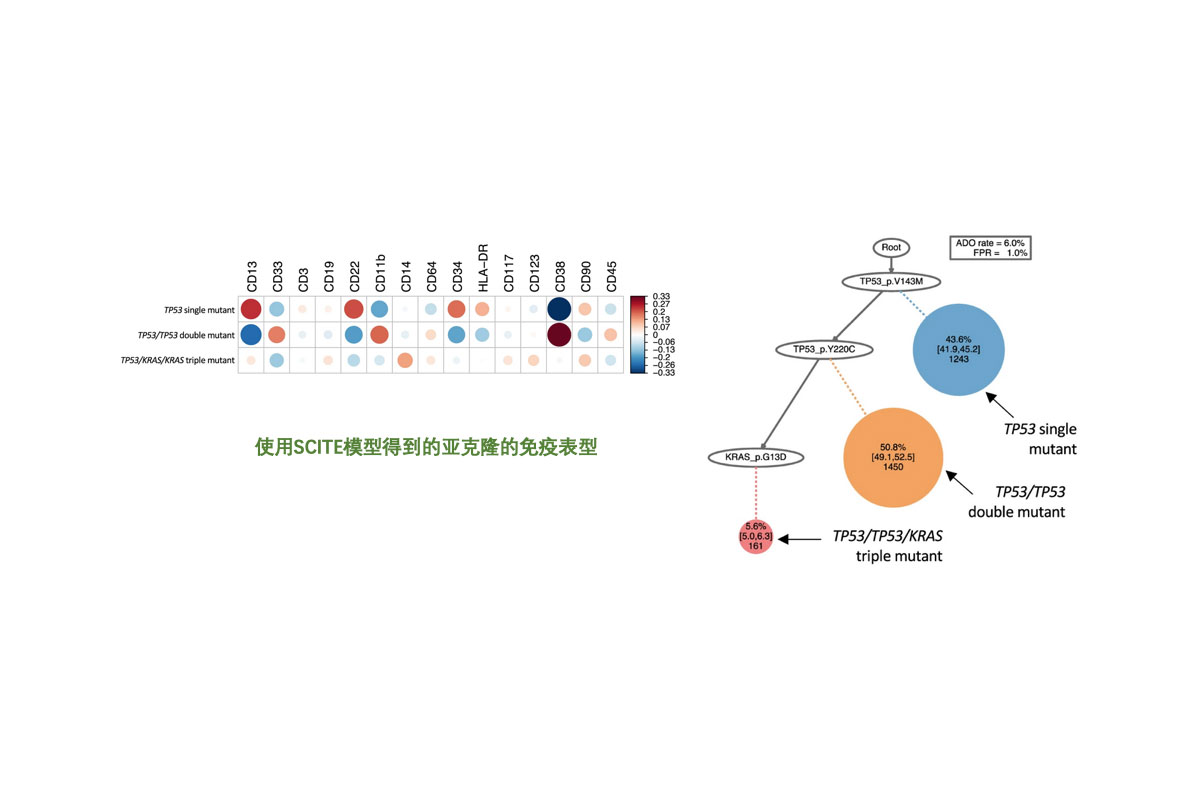
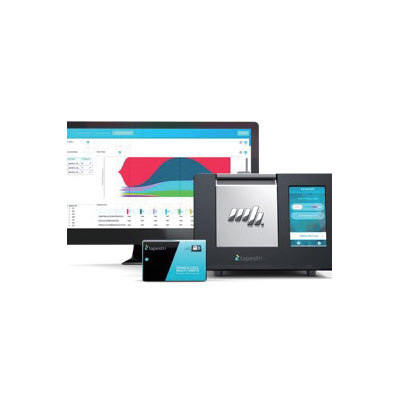
The Mission Bio Tapestri Single-Cell Platform enables simultaneous detection of SNVs, CNVs, and protein expression profiles at the single-cell level. As a leading single-cell multi-omics platform, it is widely used in research areas including tumor heterogeneity analysis, cancer biomarker discovery, and gene editing evaluation.
  • Typical Application Scenarios of the Mission Bio Tapestri Single-Cell Platform
  • The Mission Bio Tapestri Platform supports the evaluation of multiple gene and cell therapy approaches.
  • Mission Bio Tapestri sequencing reveals clonal diversity and mutational evolution patterns across patient samples.